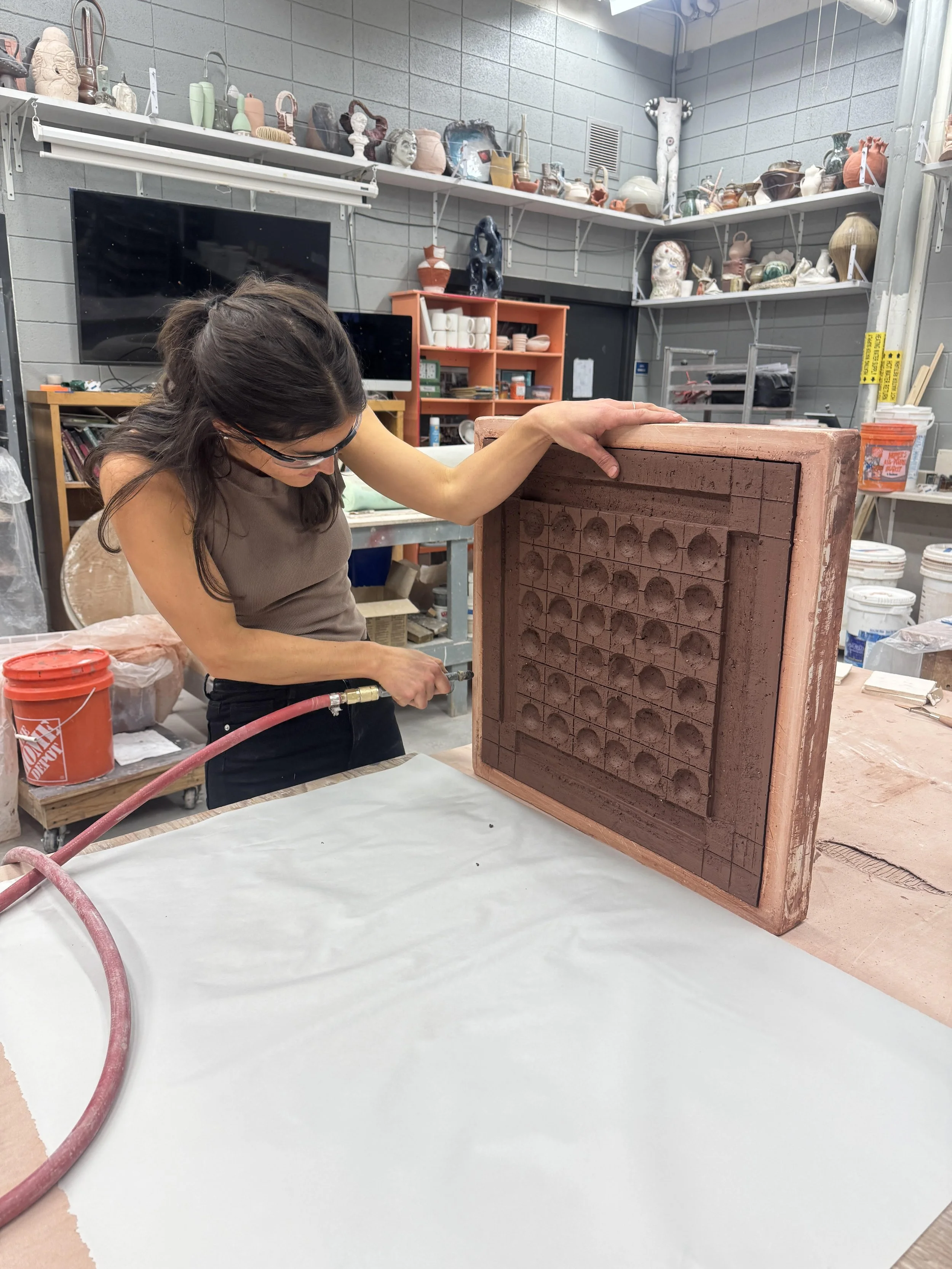
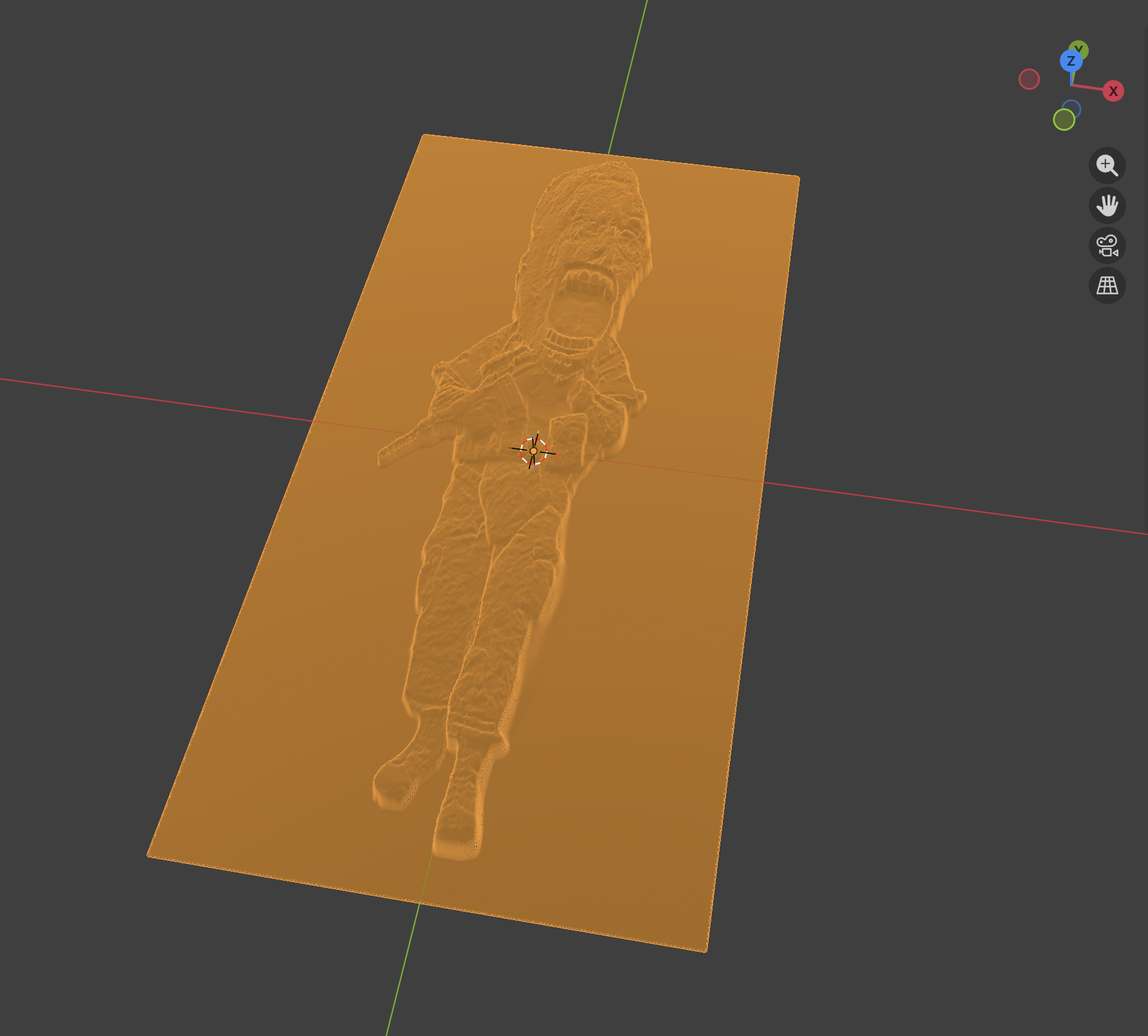
This page details some of the intellectual tributaries and technical processes that have fed into my art practice. Books up top, technical specs down below. Not shown here are the innumerable artists, performers, poets, filmmakers, musicians, and novelists whose work has deeply shaped my being.
I am a huge believer in the creative commons and am happy to share recipes, technical processes, and intellectual resources with others.
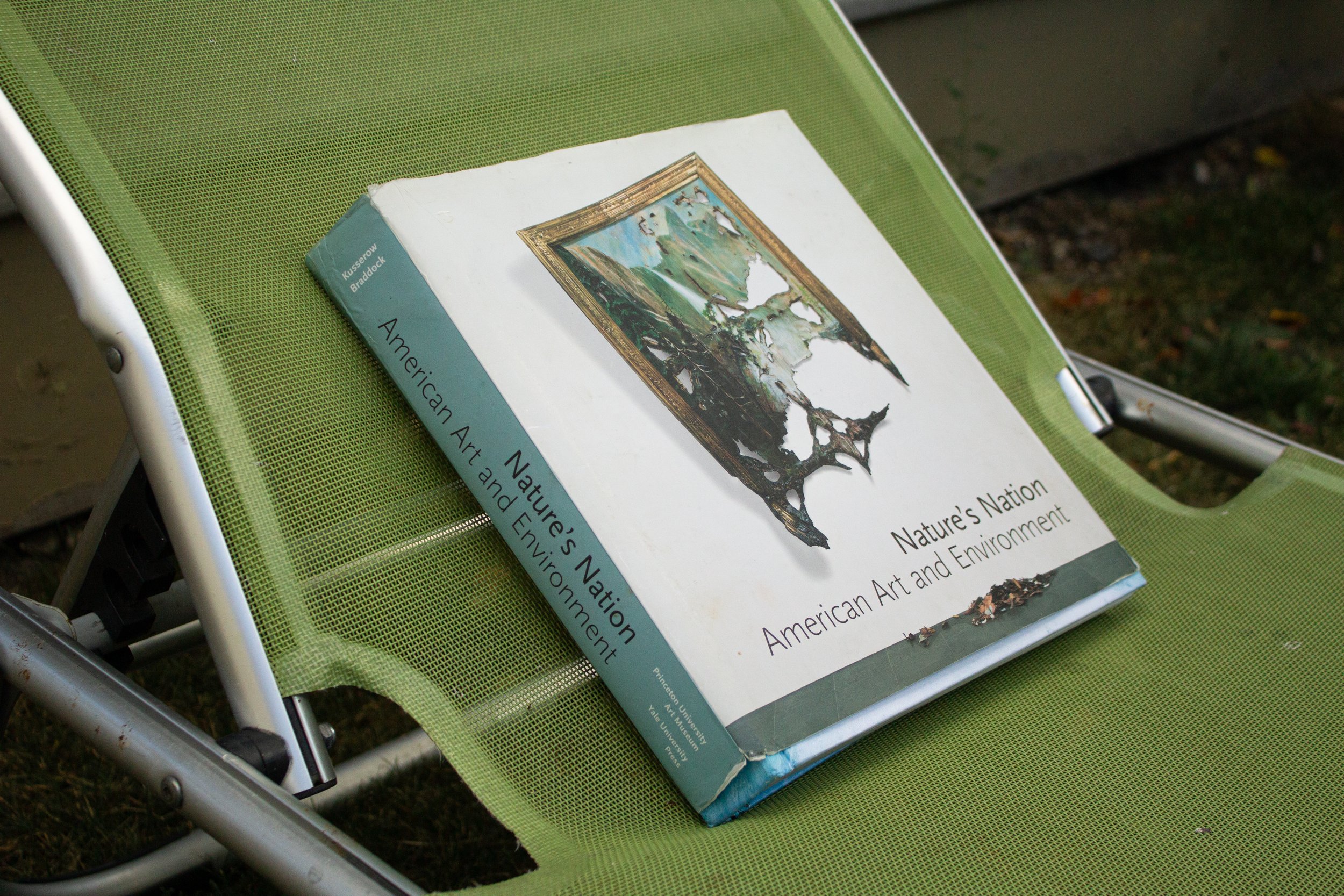
This anthology provides a clear and powerful overview of major themes and issues in American environmental art history.
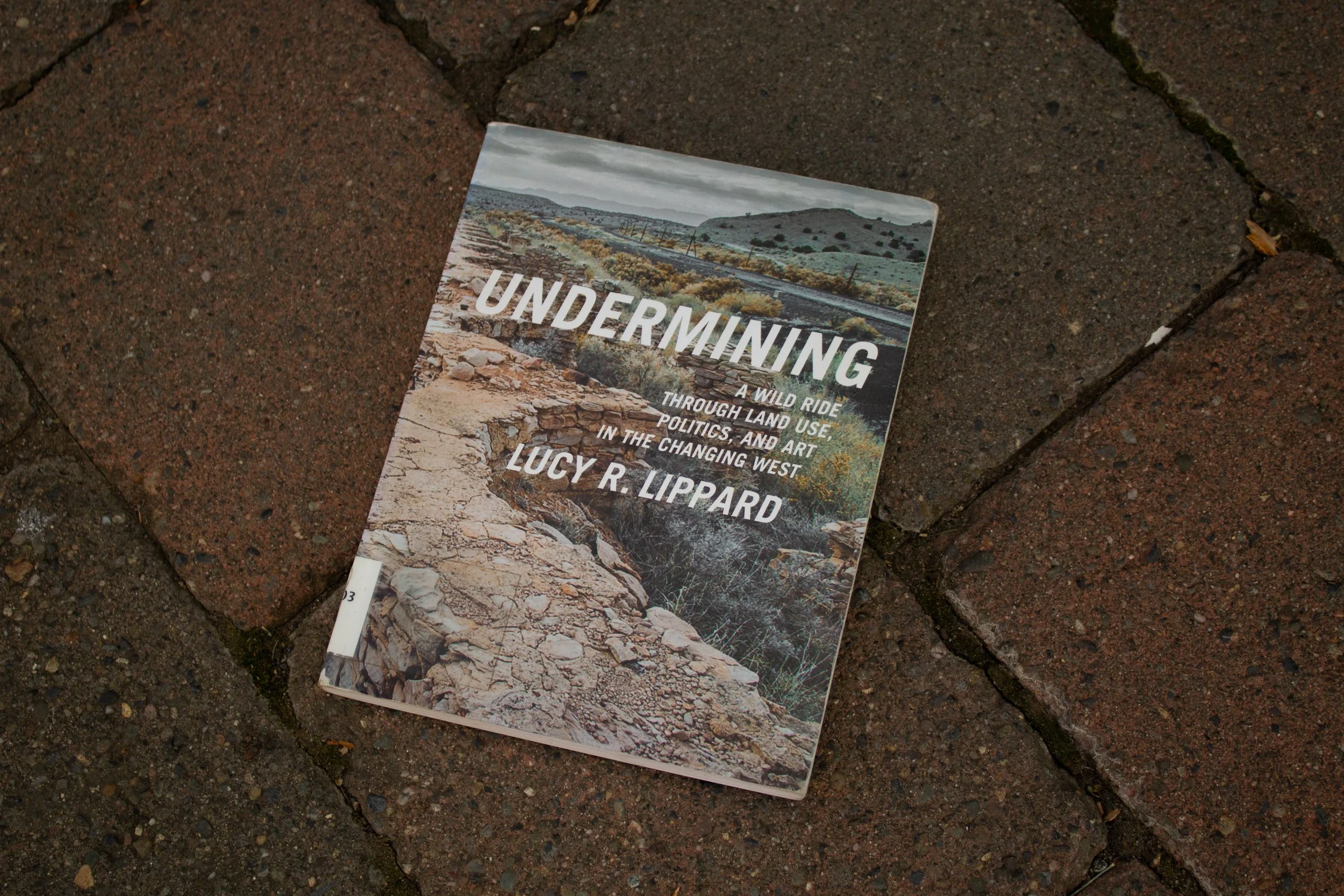
A very visual book on the poetics of extraction. Includes many artists whose work addresses mining.
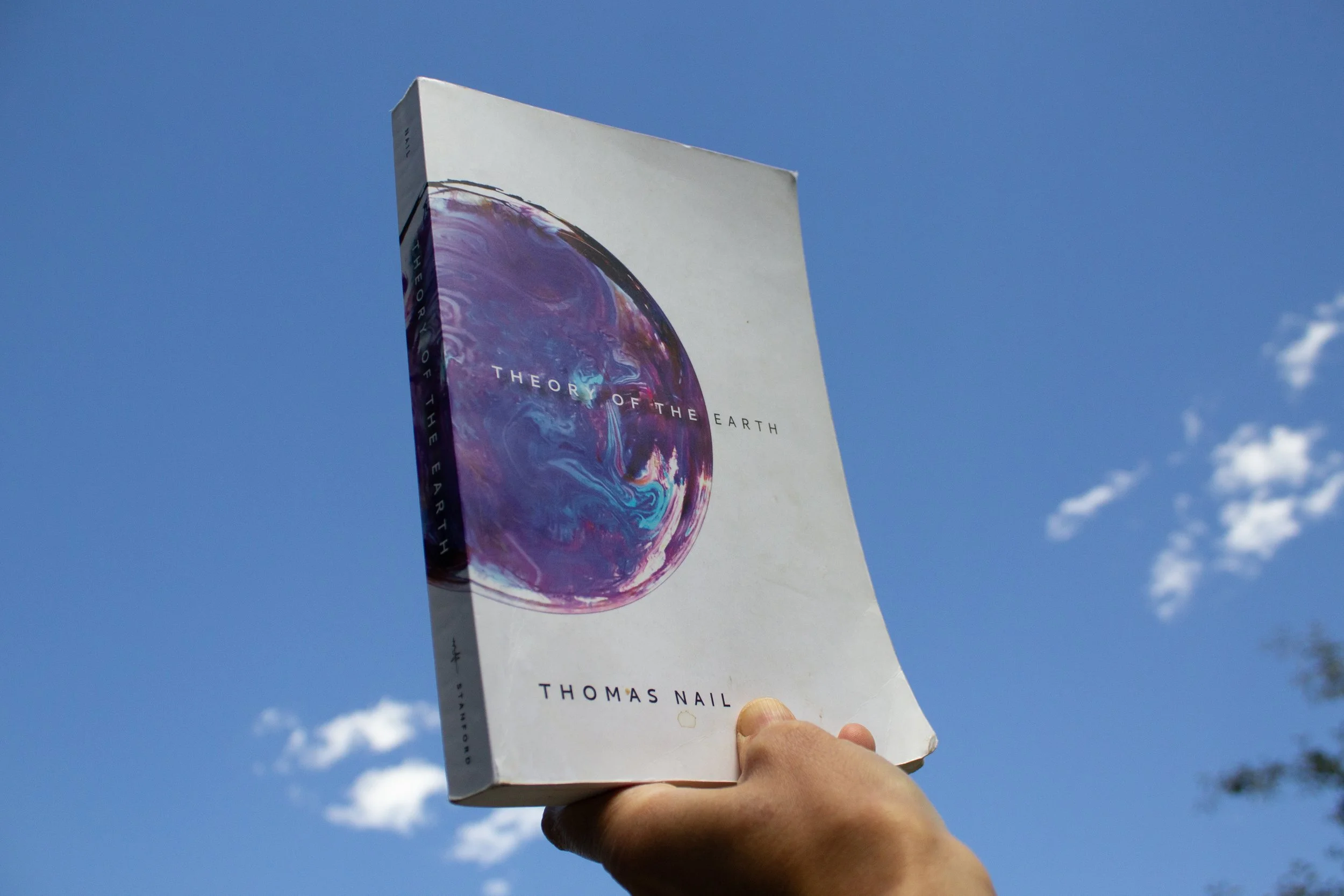
A kinetic theory of the Earth from philosopher Thomas Nail: "How arrogant that we ever spoke of the earth as a static, or passive ground, an "immovable ark," foundation for anything, when the whole thing is fluctuating compost."
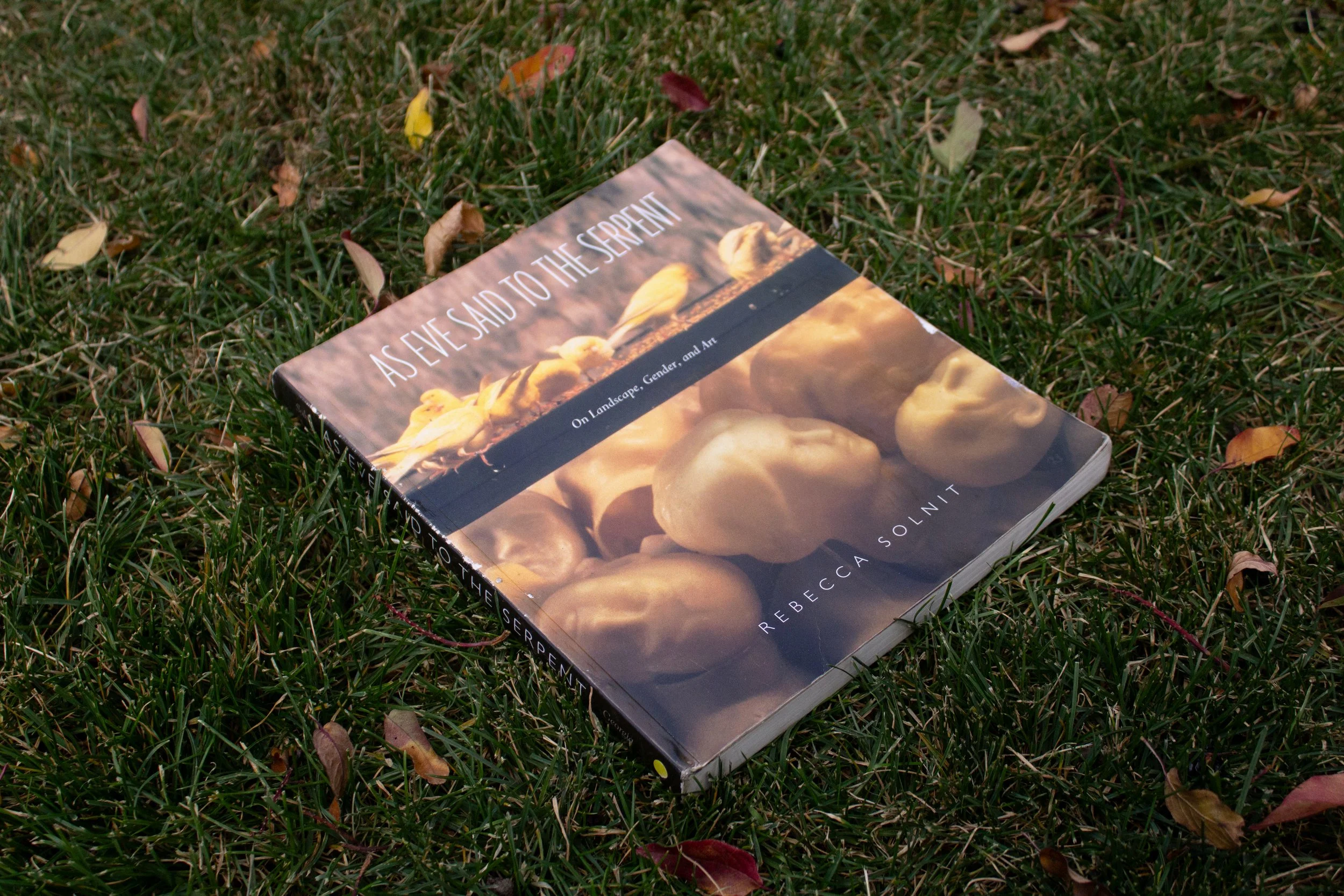
A meandering, thought-provoking series of essays exploring ecological art criticism. Wonderful essay on the poetics of dirt.
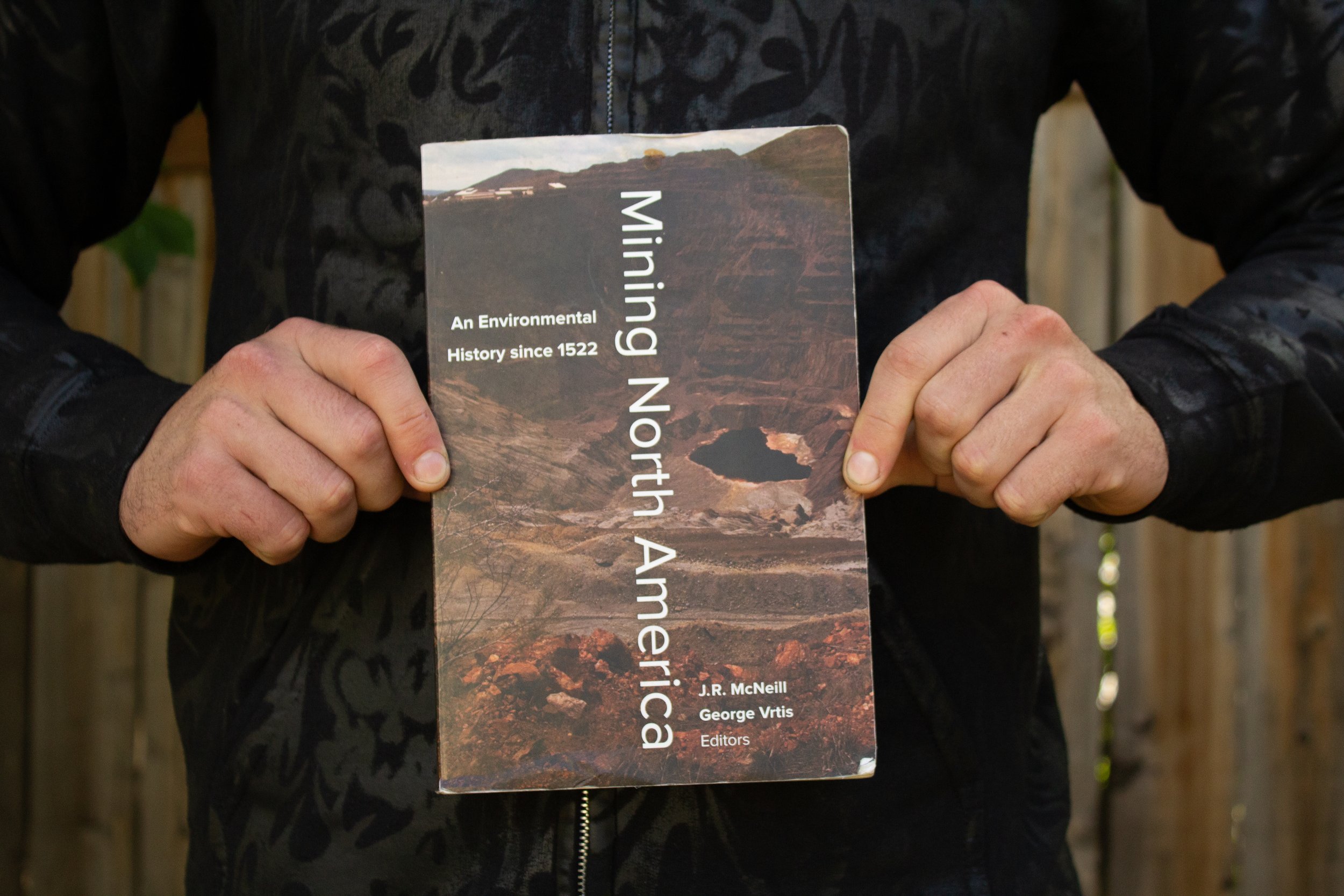
An excellent anthology to better understand the history of mining in North America. This book includes what was for me a very influential essay by MSU environmental and technology historian Dr. Tim LeCain.
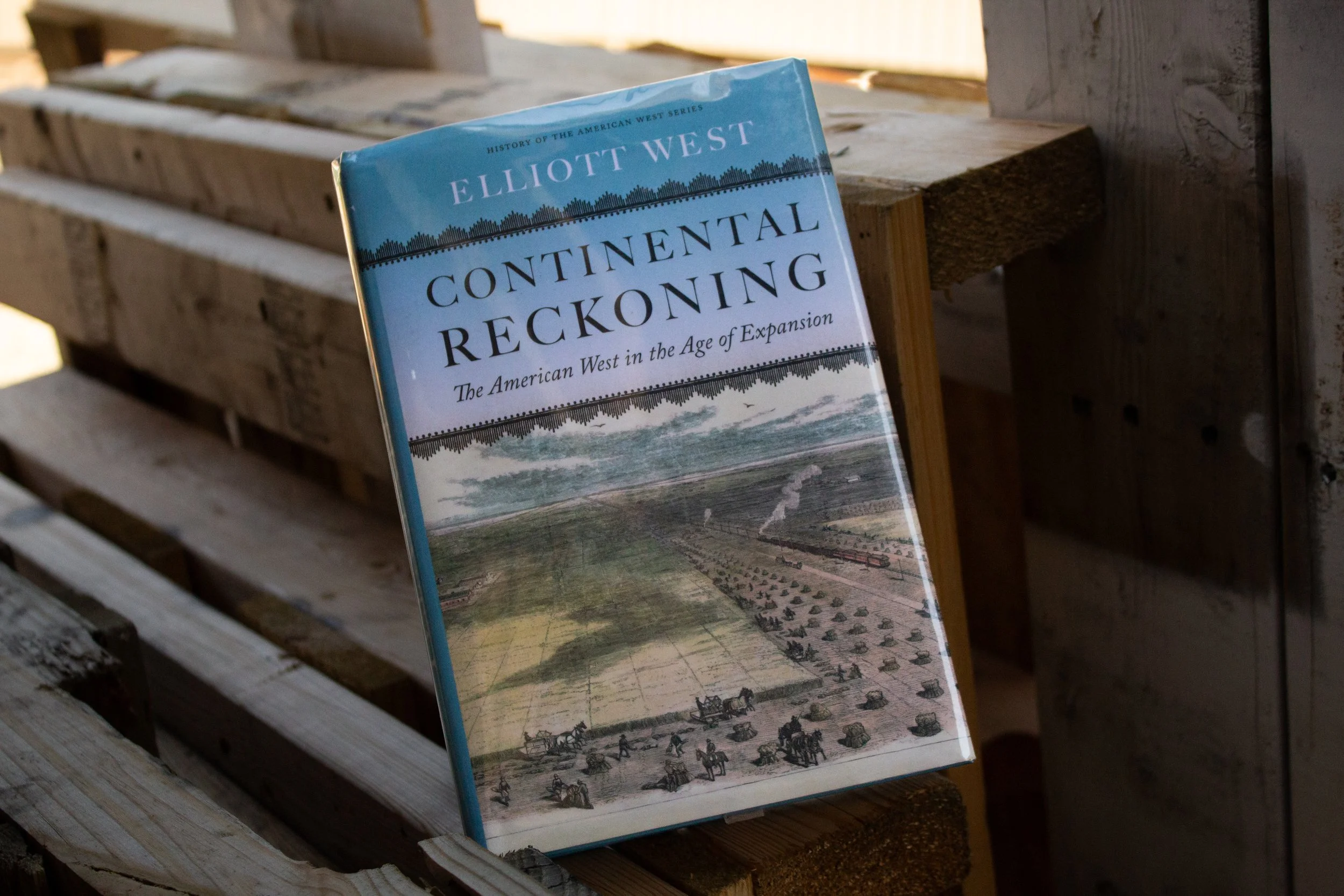
A tomb that explores the consolidation of federal power across the American West and the ties between westward expansion, extractivism, land power, and the American civil war.
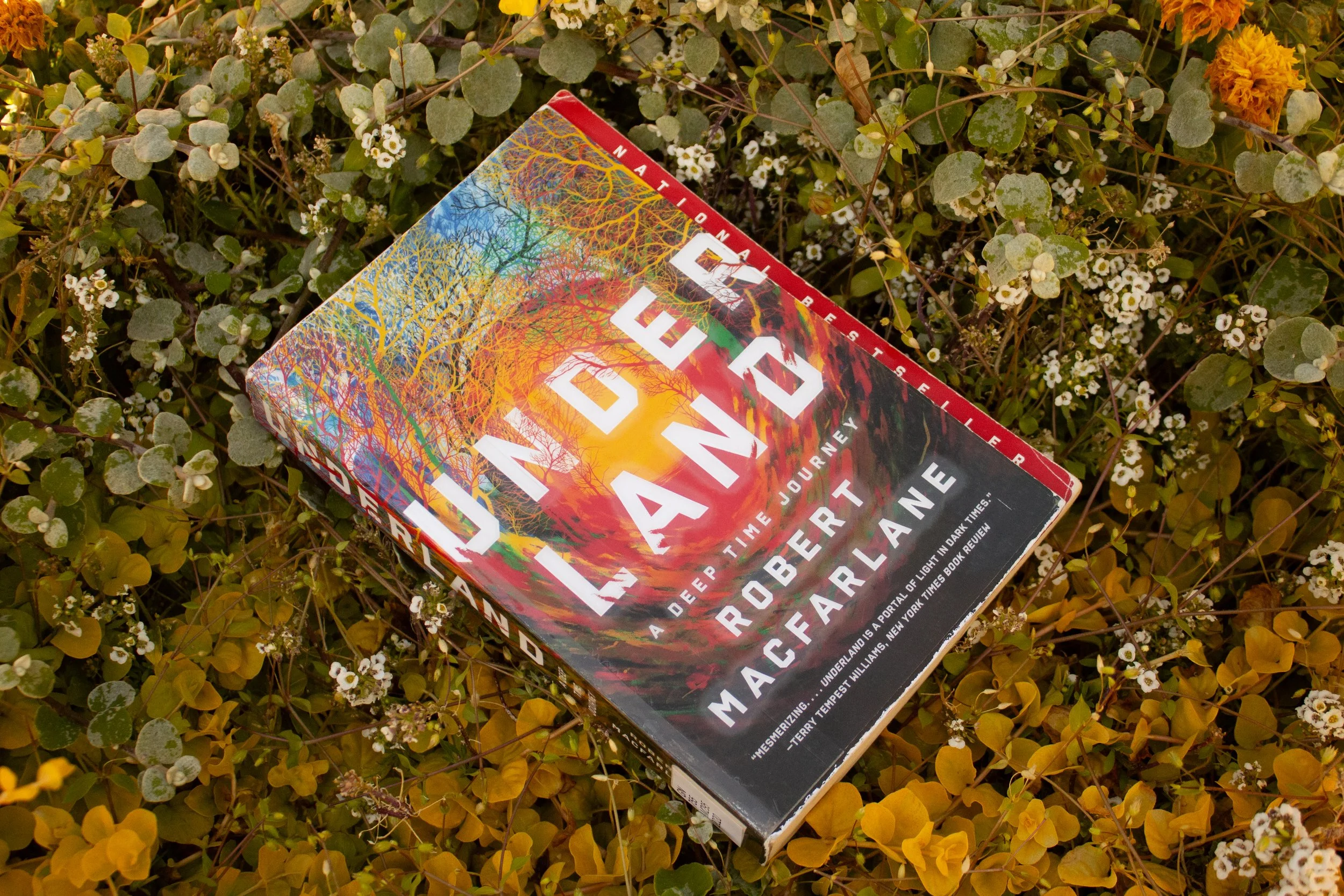
A cultural study of the underground. Excellent, general audience read.
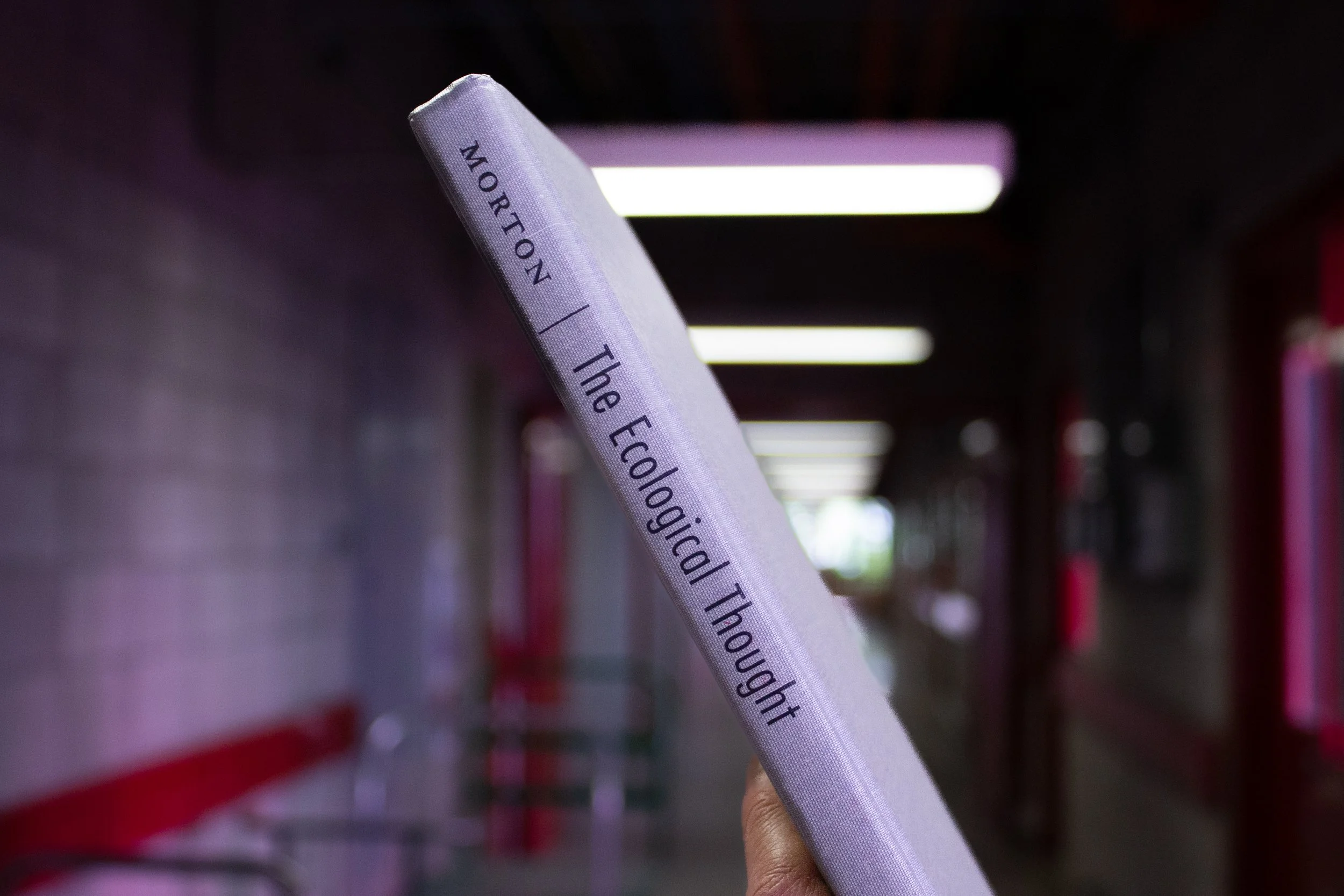
This book has stretched my understanding of the breadth of ecological thought.
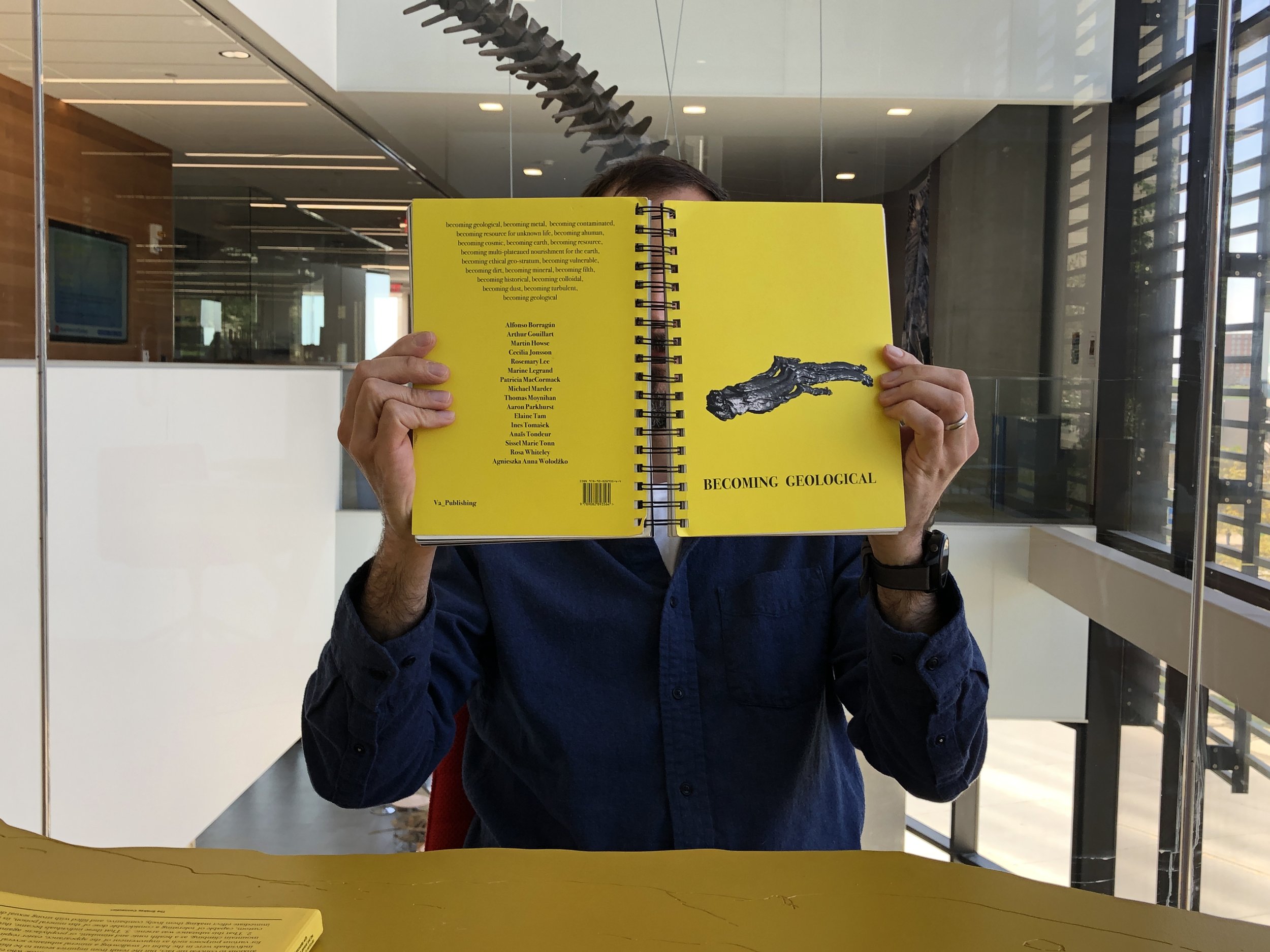
A "divinatory guide" to mining one's own body. This artist book explores the "Tiny Mining Sweatshop" of Martin Howse.
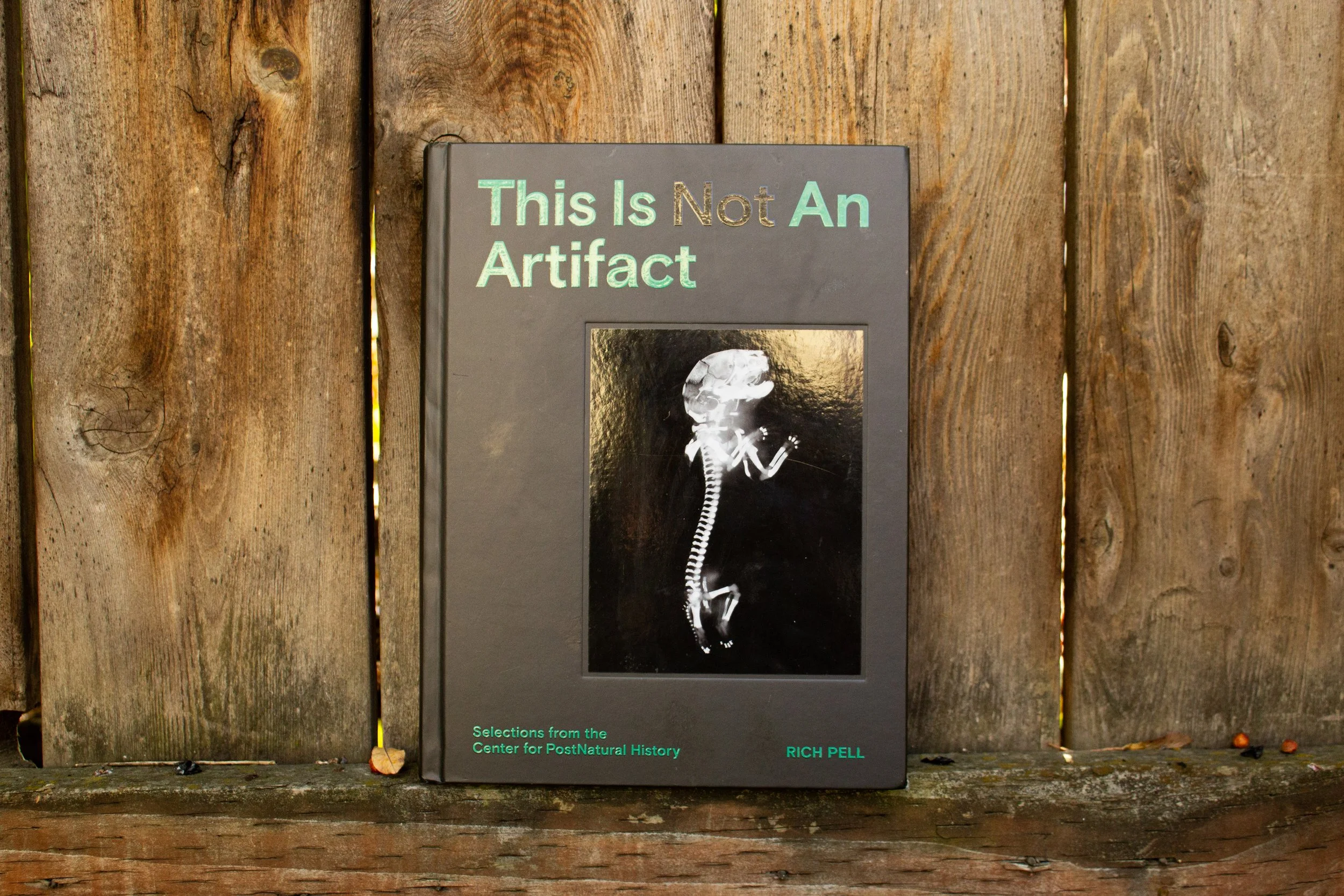
A publication from the Center for PostNatural History in Pittsburgh, PA. This artist book breaks down the distinction between biological specimen and cultural artifact.
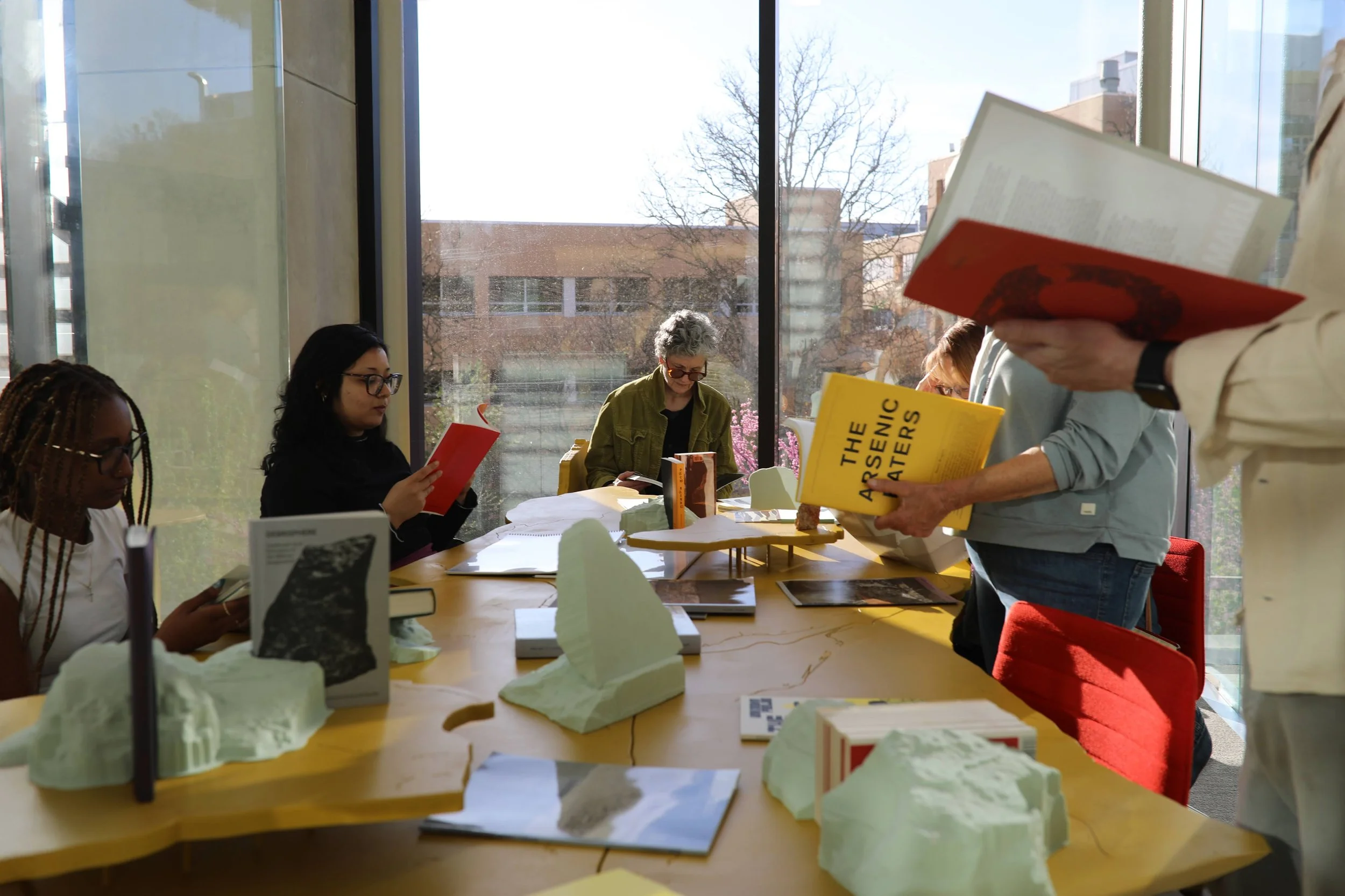
A view of curator Oscar Salguero's NEO-MINERALIA Library at the University of Kansas. NEO-MINERALIA is a collection of artist books exploring alternative and post-natural geologies.

View of my graduate studio at Alfred University. The ceramic sculptures in NATURE TO THE DOGS were made, in part, by applying a thick clay slip to organic matter and then burning that organic matter away. Materials such as roots and branches, bark, rope, string, and knitting served as molds.
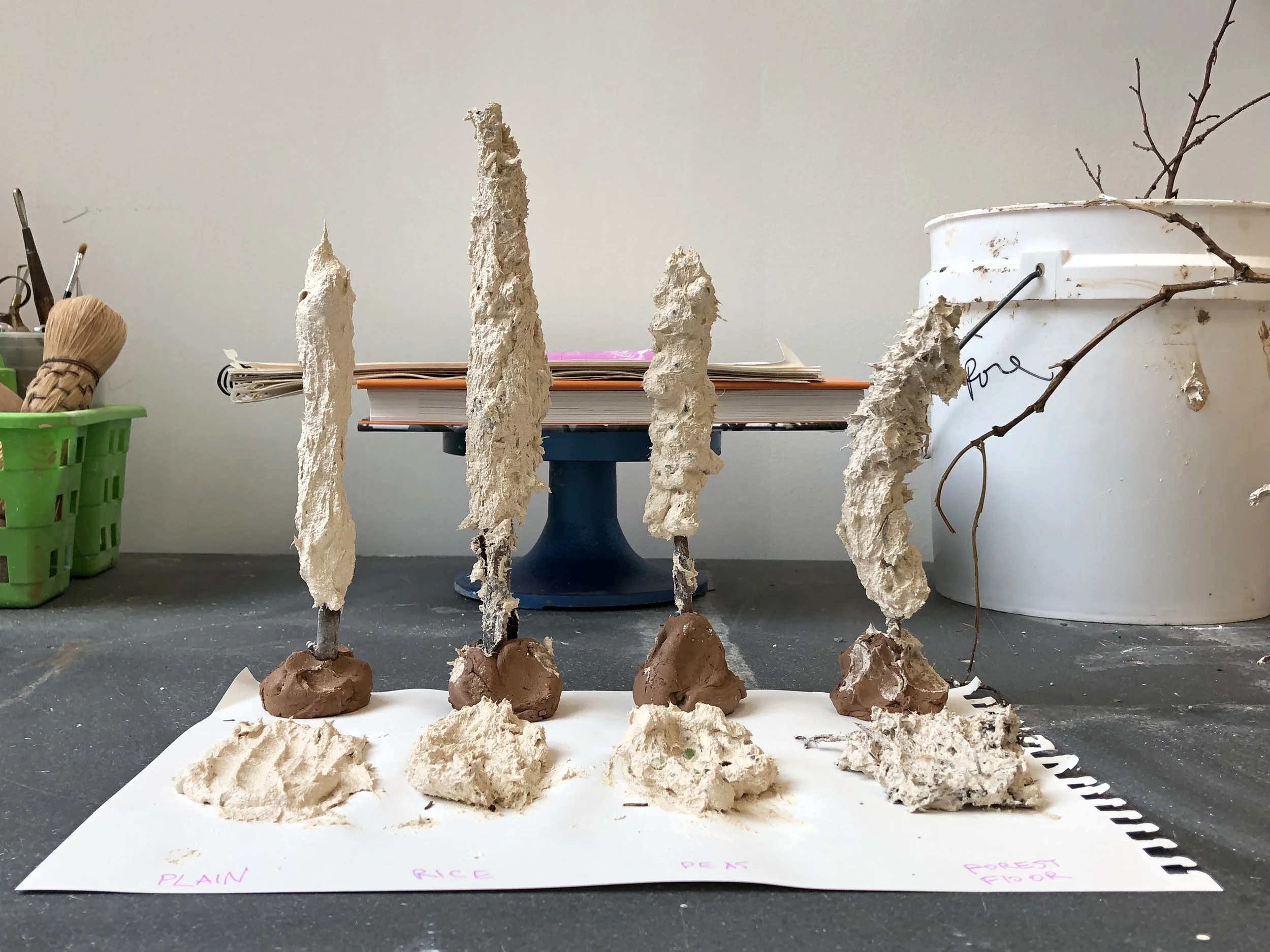
I used a type of clay body called "plemp" for NATURE TO THE DOGS. Plemp has a very high grog and fiber content (paper pulp and flax fiber)--meaning it will shrink very little and will have notable green strength. I learned about plemp in Anton Rejnders' book, "The Ceramic Process" as well as from the published theses of past graduate students.
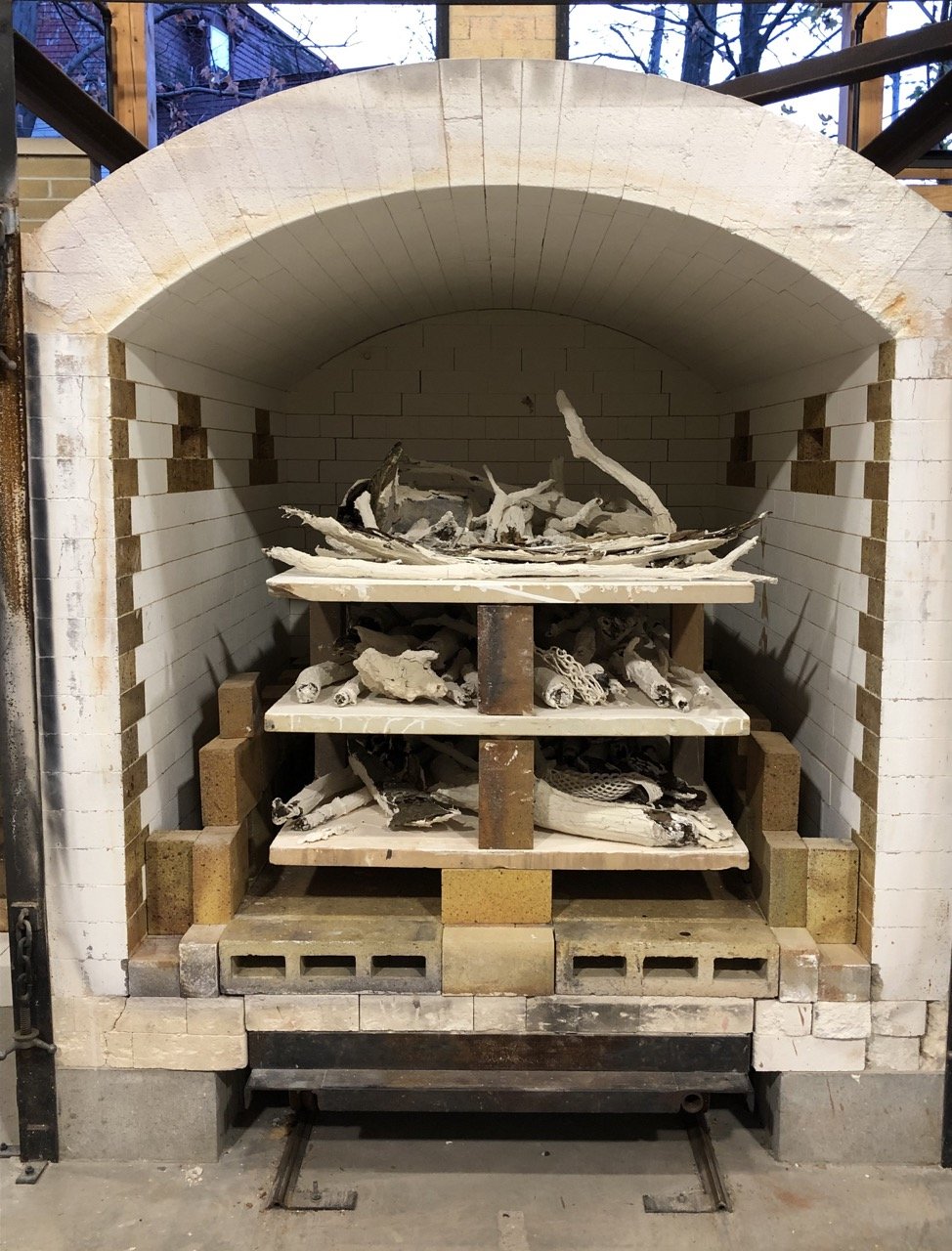
Pieces were bisque fired separately. Sometimes, these ceramic husks would break down in the firing, creating mineral wood chips. The resultant fragments were reminiscent of gravel--an interesting, if unintentional, poetic nod to the products of mining and extraction.
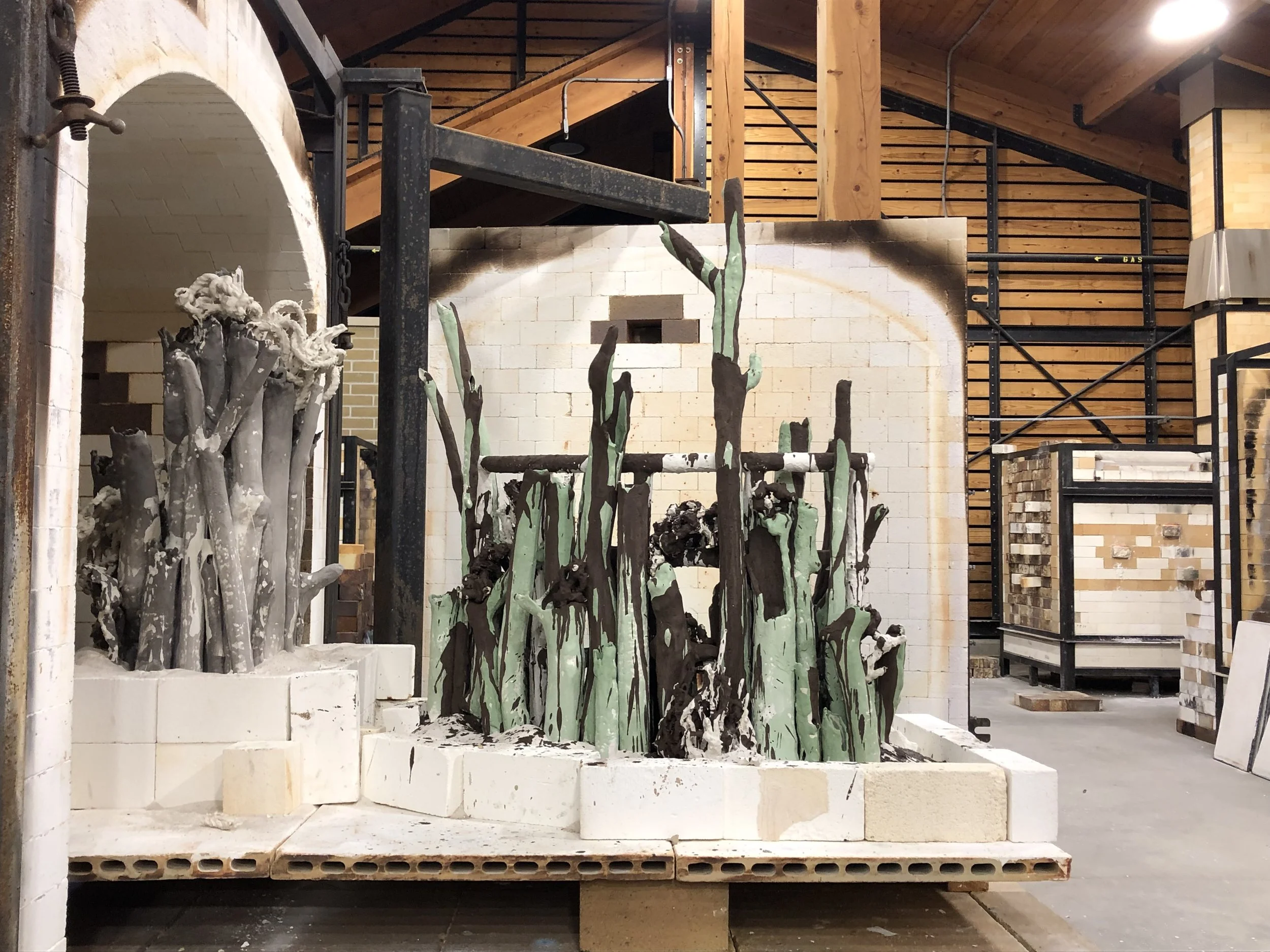
Pieces were glazed and assembled in deep beds of sand. These pieces were fused together in the heat of the kiln.

Because these sculptures were not fired on a hard, flat surface, once removed from the kiln, they often appeared to float just above the ground.
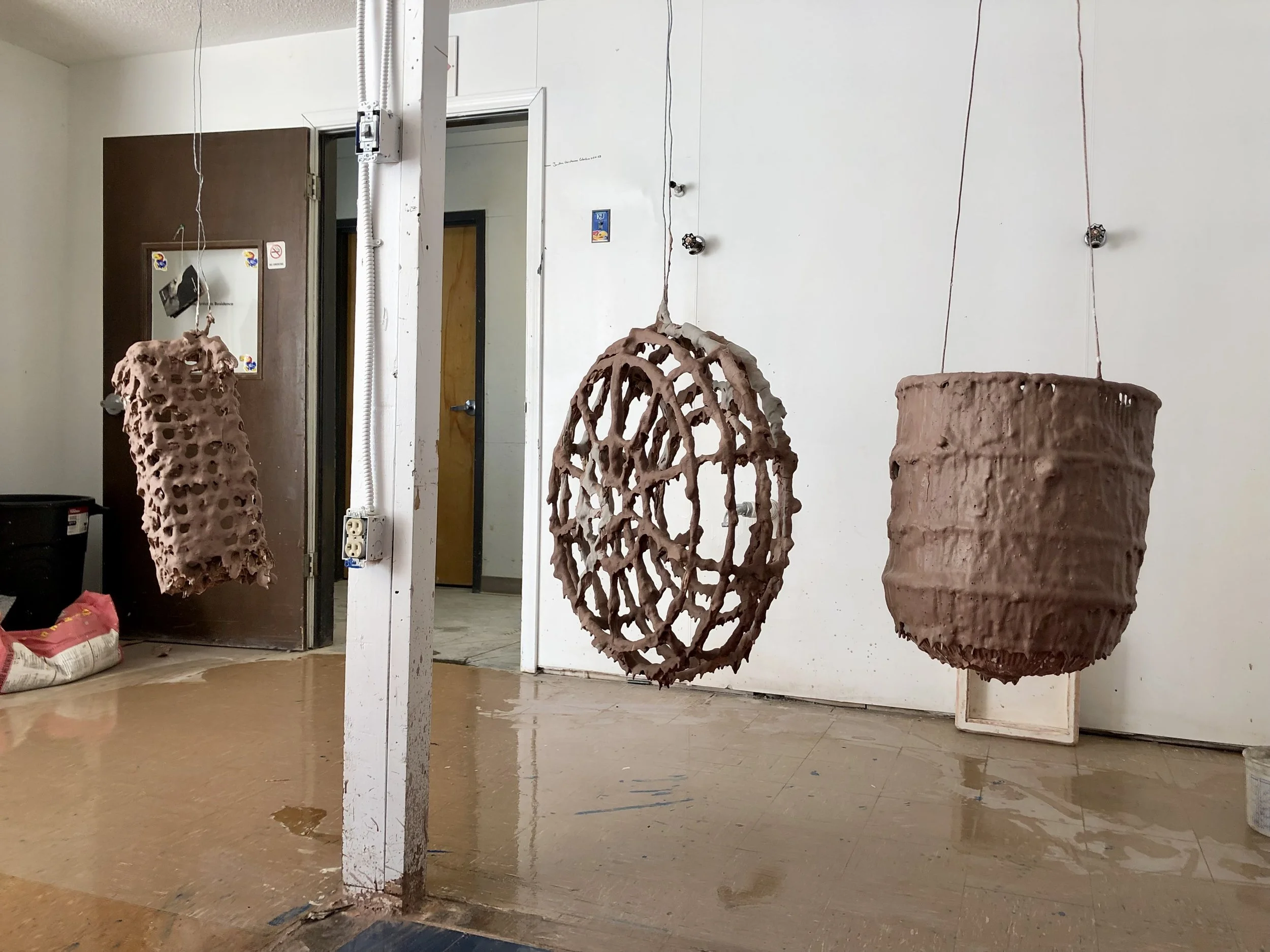
"She Who Vomited Out Her Own Metals" involved a lot of experimental processes. In this image, you can see that I began hanging steel bird cages from my studio ceiling and coating those cages in layers of ceramic material.